Supporting you or your child’s development from the foundation up
Reflex Integration Therapy focuses on supporting the maturation of the central nervous system (CNS) by addressing retained primitive reflexes (early movement patterns that should naturally integrate during infancy).
When these reflexes remain active, they can interfere with the ability to regulate, coordinate the body, focus and engage in learning.
Rather than focusing only on symptoms, this approach works at a foundational neurological level, helping the brain and body function more efficiently so that everyday skills can develop with greater ease.
What does the treatment process look like?
Following an initial assessment, an individualised programme will be shared of:
-
specific developmental movement exercises
-
or dermal stimulation
These activities are carefully selected based on the profile identified and are designed to gently support the integration of retained reflexes over time.
The programme is simple to follow and completed at home, allowing consistent input in a familiar and safe environment.
How the programme is delivered
-
Frequency: once or twice daily
-
Duration: 5–10 minutes per session
-
Setting: carried out at home by a parent, or independently where appropriate
The programme is designed to be manageable and to fit into daily routines without creating additional pressure.
Review and progression
The programme is regularly reviewed and adjusted to ensure it remains appropriate and effective.
-
Reviews typically take place every 6-8 weeks
-
Some children may require longer periods between reviews depending on their progress and tolerance
These sessions allow us to:
-
monitor changes
-
adjust the programme
ensure you or your child is working at the right level for their nervous system.
How long does the programme take?
Every child is different, but typically:
The programme runs for approximately 12–18 months
A review period may follow to assess how well changes are maintained
- consistency- - the central nervous system readiness
- - and external factors such as stress, routine and environment
A lifelong approach This therapy is suitable for both children and adults.
The brain remains capable of change throughout life. With the right input and consistency, it can continue to develop, reorganise and build new pathways that support improved function, regulation and wellbeing.
The Science Behind Dermal Stimulation
The skin is far more than a protective covering; it is one of the body's largest sensory organs and plays an important role in the way the brain receives and processes information from the environment.
During early embryonic development, both the skin and the nervous system arise from the same tissue layer, known as the ectoderm. This close developmental relationship highlights the strong connection between the skin and the nervous system throughout life.
Millions of sensory receptors within the skin continuously send information to the brain about touch, pressure, temperature, movement and body position. This sensory input contributes to body awareness, sensory processing, postural control, coordination and self-regulation.
Dermal Stimulation programmes provide structured tactile input through specific skin stimulation techniques. The aim is to increase meaningful sensory feedback to the brain, with the goal of supporting sensory processing, body awareness and neurological organisation.
Clinical Experience
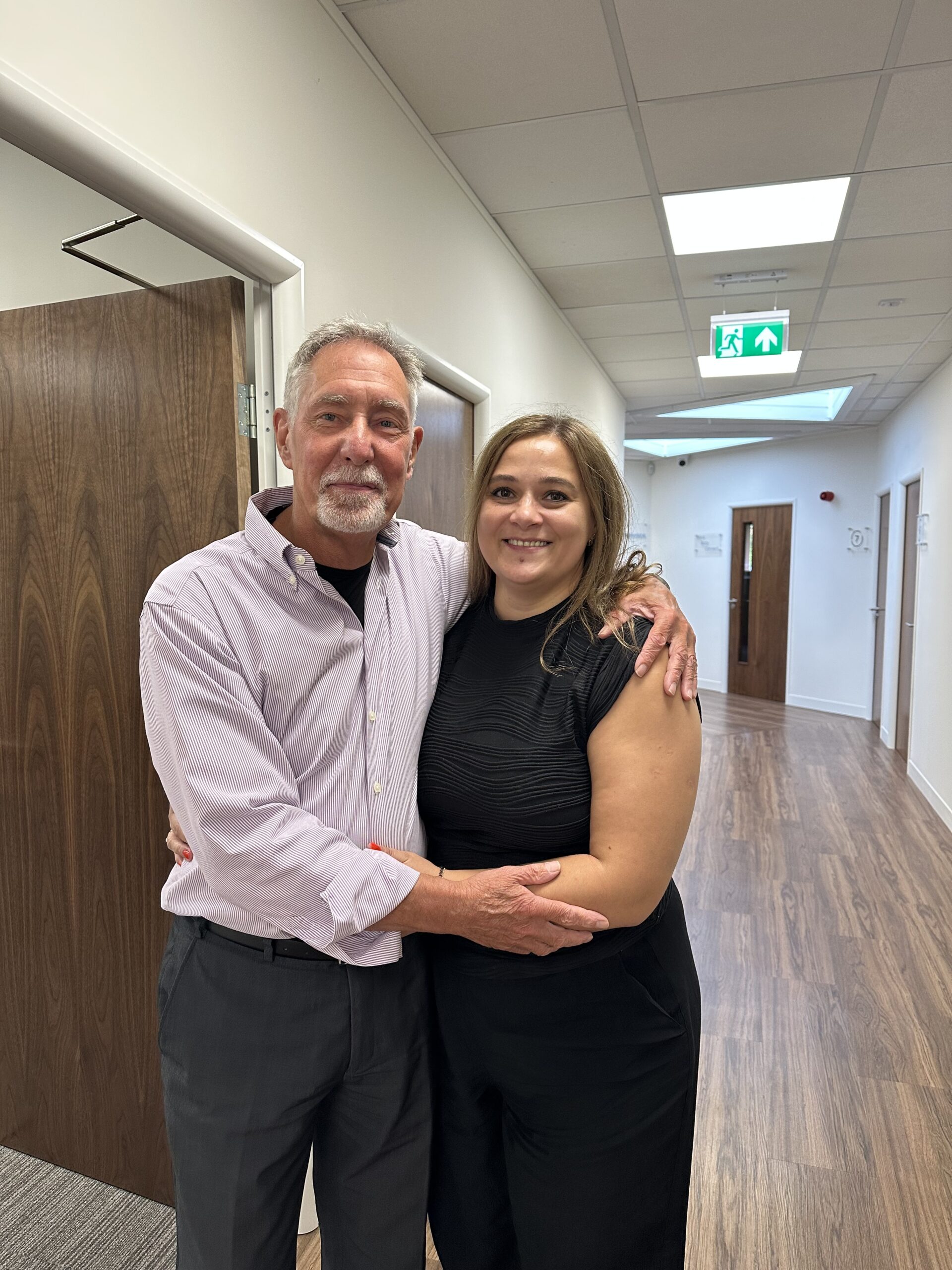
The Dermal Stimulation programme used in our practice has been informed by more than 30 years of clinical experience. Through his work with a large number of children and adults, Bob Allen observed consistent patterns of improvement following structured dermal stimulation, particularly in areas such as body awareness, posture, coordination, sensory processing, attention and emotional regulation.
These observations helped shape and refine the programme over many years. Whilst every individual responds differently, the continued use of dermal stimulation is supported both by our understanding of the relationship between the skin and nervous system and by decades of clinical experience suggesting its potential to support neurological organisation and functional development.
Further Reading
- Kandel ER, Schwartz JH & Jessell TM. Principles of Neural Science
- Gilbert SF. Developmental Biology
- Purves D et al. Neuroscience
- Ayres AJ. Sensory Integration and the Child